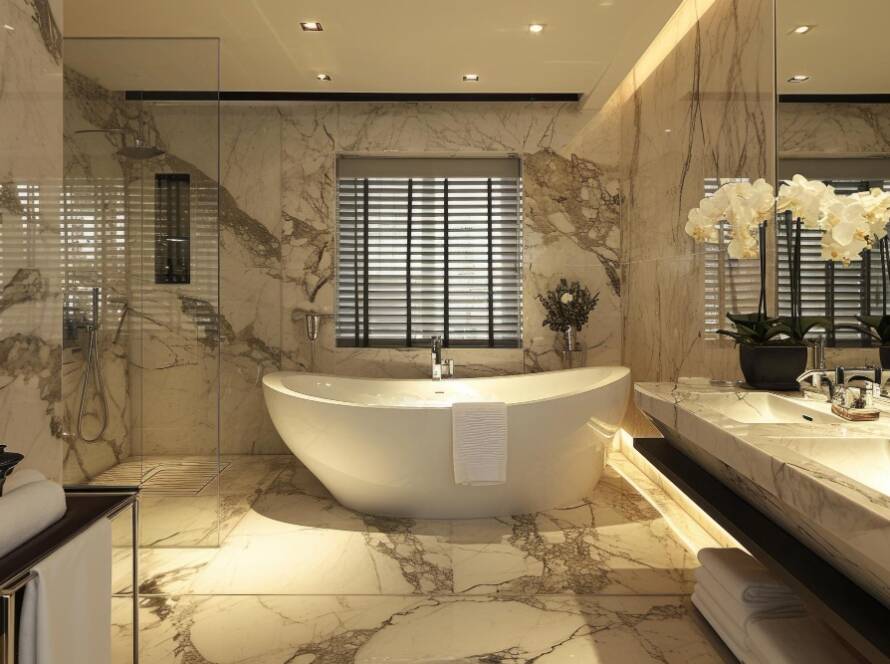

When selecting marble for a residential or commercial project, most people focus on color, veining, and finish. While these elements certainly influence the overall appearance, one often-overlooked factor is Marble Slab Thickness. The thickness of a marble slab plays a critical role in determining its durability, performance, installation requirements, and visual impact.
Whether you are designing a luxury living room, an elegant bathroom, a kitchen countertop, or a commercial space, understanding the importance of slab thickness can help you make a better investment. Choosing the right thickness ensures long-term performance while enhancing the beauty of the finished space.
In this comprehensive guide, we explore how Marble Slab Thickness affects durability and design, helping homeowners, architects, and interior designers make informed decisions.
Understanding Marble Slab Thickness
Marble Slab Thickness refers to the measurement of the stone from its top surface to the bottom surface. Natural marble slabs are typically available in various thickness options, with the most common being:
- 18 mm marble slabs
- 20 mm marble slabs
- 30 mm marble slabs
The ideal thickness depends on the intended application, structural requirements, and desired visual effect.
A reliable Marble Thickness Guide can help determine which option is suitable for different environments and usage conditions.
Why Marble Slab Thickness Matters
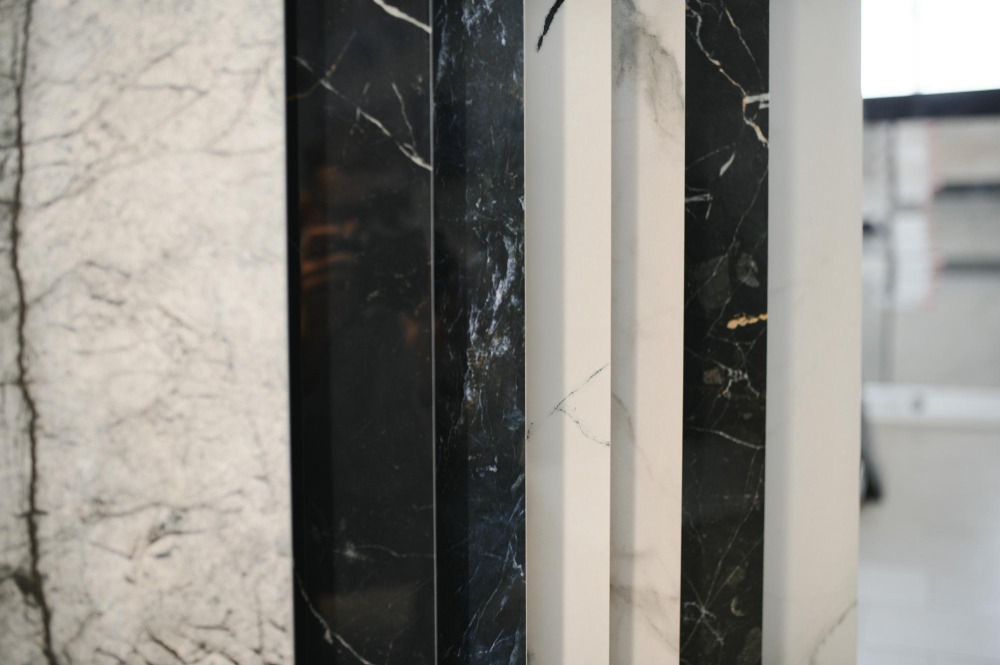
Many people assume that all marble performs the same regardless of thickness. In reality, Marble Slab Thickness directly impacts the strength and lifespan of the material.
Thicker slabs generally provide:
- Greater structural stability
- Better resistance to cracking
- Improved load-bearing capacity
- Enhanced longevity
- Premium visual appeal
On the other hand, thinner slabs may be suitable for specific wall applications where weight reduction is important.
Understanding these differences is essential when evaluating Marble Slab Durability for a project.
The Relationship Between Thickness and Durability
One of the primary reasons thickness matters is its effect on durability.
Resistance to Cracking
Natural marble is strong but can still develop cracks under excessive pressure or improper installation. A thicker slab distributes weight more effectively, reducing stress concentration.
When considering Marble Slab Durability, thicker materials are generally preferred for high-traffic and high-impact areas.
Better Load-Bearing Capacity
Heavy furniture, kitchen appliances, and commercial foot traffic can place significant pressure on marble surfaces.
A thicker marble slab provides additional strength, helping the stone withstand daily wear without damage.
Reduced Flexing
Thin marble slabs can flex during transportation or installation if not handled properly.
Following a professional Marble Thickness Guide helps ensure that the selected slab can support the intended load while maintaining structural integrity.
Marble Slab Thickness for Different Applications
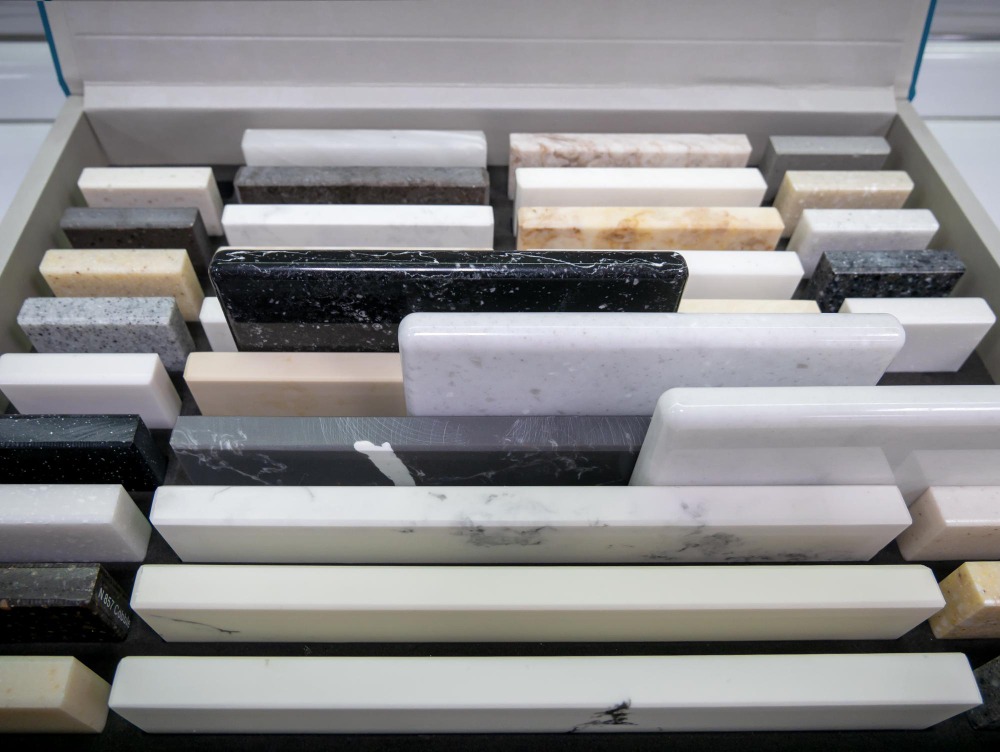
Different projects require different thickness levels.
Kitchen Countertops
Kitchen countertops experience frequent use and exposure to weight, heat, and moisture.
For these applications, greater Marble Slab Thickness is often recommended because it offers superior performance and long-term reliability.
The enhanced Marble Slab Durability helps prevent issues such as cracking or edge damage.
Flooring
Marble flooring must handle continuous foot traffic while maintaining its appearance.
A well-planned Marble Thickness Guide suggests selecting thickness based on traffic volume, installation method, and subfloor conditions.
Thicker flooring slabs generally provide greater durability and stability.
Wall Cladding
Wall installations usually do not experience heavy loads.
In these cases, thinner Marble Slab Thickness options can be effective because they reduce overall weight while maintaining aesthetic appeal.
Staircases
Staircases require a balance between beauty and strength.
Proper thickness selection contributes significantly to Marble Slab Durability, ensuring long-lasting performance in heavily used areas.
How Thickness Influences Design
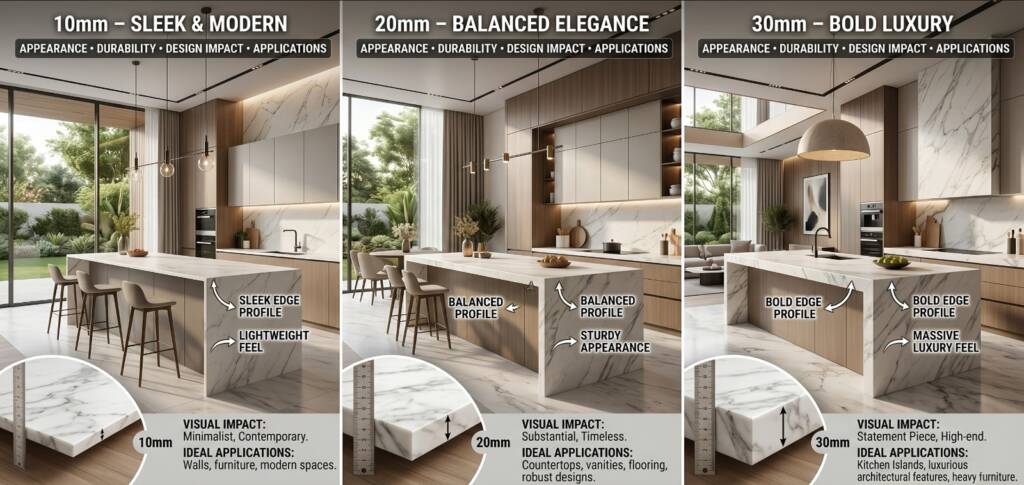
Beyond functionality, Marble Slab Thickness also affects the visual character of a space.
Creates a Luxurious Appearance
Thicker marble often creates a more substantial and premium look.
Many luxury projects use thicker edges to emphasize elegance and craftsmanship.
A detailed Marble Thickness Guide often highlights thickness as an important design element rather than just a structural consideration.
Enhances Edge Profiles
Decorative edge treatments become more prominent with thicker slabs.
Popular edge styles include:
- Bullnose edges
- Beveled edges
- Ogee edges
- Waterfall edges
These profiles can significantly enhance the visual impact of marble installations.
Supports Modern Design Trends
Contemporary interiors often feature bold stone applications, large islands, and dramatic waterfall edges.
Adequate Marble Slab Thickness helps achieve these architectural effects while maintaining strength and stability.
Installation Considerations
Installation requirements vary depending on slab thickness.
Weight Management
Thicker marble slabs weigh more and require stronger support systems.
Professional installers rely on a Marble Thickness Guide to determine proper structural preparation.
Transportation and Handling
While thicker slabs offer better durability, they also require specialized handling during transportation and installation.
Careful planning helps preserve Marble Slab Durability throughout the project lifecycle.
Substrate Requirements
The supporting surface must be capable of handling the weight of the marble.
Proper preparation ensures that the chosen Marble Slab Thickness performs effectively over time.
Cost Implications of Marble Thickness
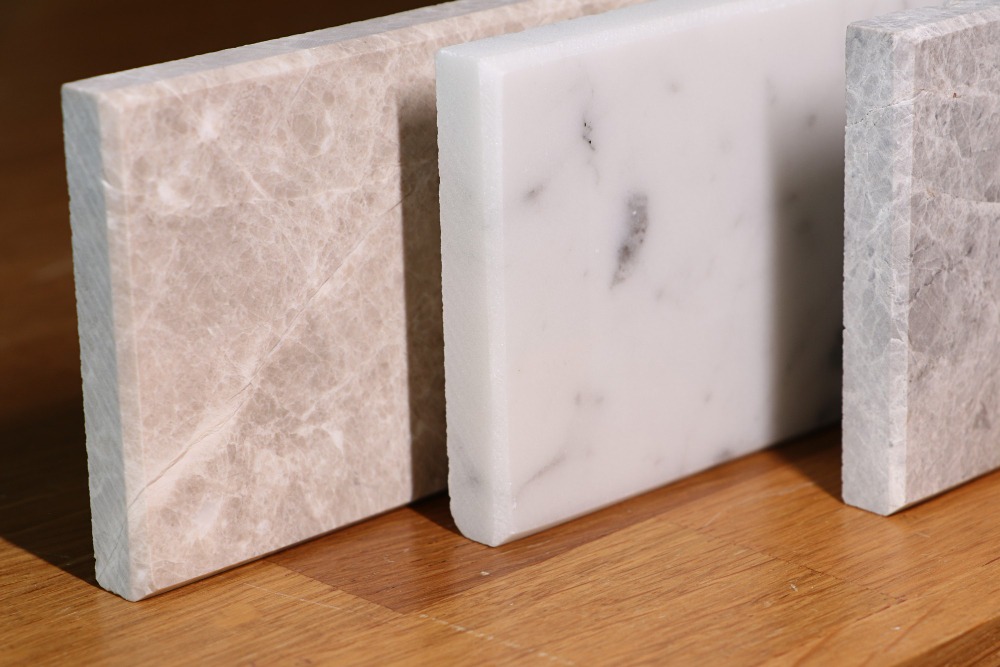
Thickness can also influence project costs.
Factors include:
- Material consumption
- Transportation expenses
- Installation complexity
- Structural support requirements
Although thicker marble may require a higher initial investment, its superior Durability often results in lower maintenance and replacement costs over the long term.
A professional Marble Thickness Guide can help balance aesthetics, performance, and budget considerations.
Choosing the Right Marble Thickness
Selecting the ideal thickness depends on several factors:
Intended Use
Different applications require different levels of strength.
Understanding Marble Slab Thickness requirements for countertops, flooring, walls, and staircases is essential.
Design Goals
The desired visual effect should influence slab selection.
A comprehensive Marble Thickness Guide helps align design objectives with practical requirements.
Traffic and Usage Levels
Areas exposed to heavy use require greater Marble Slab Durability.
Choosing an appropriate thickness reduces maintenance concerns and extends service life.
Professional Recommendations
Experienced stone specialists can evaluate structural conditions and recommend the most suitable thickness.
At Lorio Homes, clients receive expert guidance to ensure every marble selection meets both aesthetic and functional expectations. The team helps homeowners and designers choose solutions that complement their vision while maximizing performance.
Common Mistakes to Avoid
When selecting marble, avoid these common errors:
- Choosing thickness based only on appearance
- Ignoring structural requirements
- Overlooking installation conditions
- Focusing solely on initial cost
- Failing to consult a professional Marble Thickness Guide
These mistakes can compromise both aesthetics and long-term performance.
Lorio Homes works closely with clients to ensure every marble application is tailored to the specific needs of the project. By considering durability, design goals, and installation requirements, better outcomes can be achieved.
Why Thickness Should Never Be an Afterthought
Many buyers spend considerable time selecting marble colors and patterns, but overlook thickness.
However, Marble Slab Thickness is one of the most important factors influencing overall success.
From structural performance to visual impact, thickness affects nearly every aspect of a marble installation. A carefully selected thickness improves Marble Slab Durability, enhances design possibilities, and supports long-term value.
As luxury interiors continue to evolve, understanding the role of thickness becomes increasingly important for achieving both beauty and functionality.
Conclusion
The importance of Marble Slab Thickness goes far beyond simple measurements. It directly affects durability, load-bearing capacity, installation requirements, maintenance needs, and overall design appeal. Whether used for flooring, countertops, staircases, or wall applications, selecting the right thickness ensures lasting performance and visual elegance.
A reliable Marble Thickness Guide helps determine the best option for each application, while careful consideration of Marble Slab Durability ensures long-term satisfaction. For homeowners, architects, and designers seeking premium marble solutions, expert guidance can make all the difference.
Lorio Homes offers carefully curated marble collections and professional support to help clients select the ideal materials for their projects. With the right thickness and expert planning, marble can deliver timeless beauty and exceptional durability for years to come.
FAQs
1. What is the standard marble slab thickness?
The most common marble slab thicknesses are 18 mm, 20 mm, and 30 mm.
2. Does thicker marble last longer?
Yes. Thicker slabs generally provide better strength, stability, and durability.
3. Which marble thickness is best for kitchen countertops?
Most premium kitchen countertops use 20 mm or 30 mm marble slabs.
4. Can thin marble slabs be used for flooring?
Yes, but suitability depends on traffic levels, support conditions, and installation quality.
5. Why is marble slab thickness important in design?
Thickness affects visual appeal, edge detailing, structural performance, and the overall premium look of a space.